Mauritius is a small island, but where you stay changes everything. The north is sociable, the east is serene, the west faces the sunset, and the south is raw and real. Get this decision right and you'll wonder how the island fits so much personality into 720 square miles.
Best for: Families, first-time visitors, couples who want life beyond the pool, anyone who likes options.
The north is where Mauritius turns the energy up. Grand Baie sits at the heart of it; the island's liveliest resort town, packed with restaurants, beach clubs, boutiques, and a marina that hums from morning to midnight. It's the most cosmopolitan corner of the island and the easiest base if you want Mauritius to come to you.
The beaches here are genuinely beautiful. Trou aux Biches has a long, pale sweep of sand backed by casuarina trees that you'll recognise from the postcards. Mont Choisy is wide, calm, and popular with local families on weekends. Pereybere is smaller, more personal, and lined with good casual restaurants that spill onto the sand in the evenings.
The lagoon in the north is ideal for families. The water is sheltered, shallow, and warm; children swim safely while parents actually relax. That combination is rarer than it sounds.
From the north, catamaran day trips to Coin de Mire and the northern islets are among the best excursions on the island. You're also well placed for Port Louis, the Central Market, and the sugar-cane country of the interior.
Standout experience: A full-day catamaran cruise to Coin de Mire. You'll snorkel in clear water, eat a fresh seafood lunch on deck, and see the island from the sea, which is always the best angle.
Best for: Golfers, honeymooners, and anyone who came to Mauritius for peace and beauty.
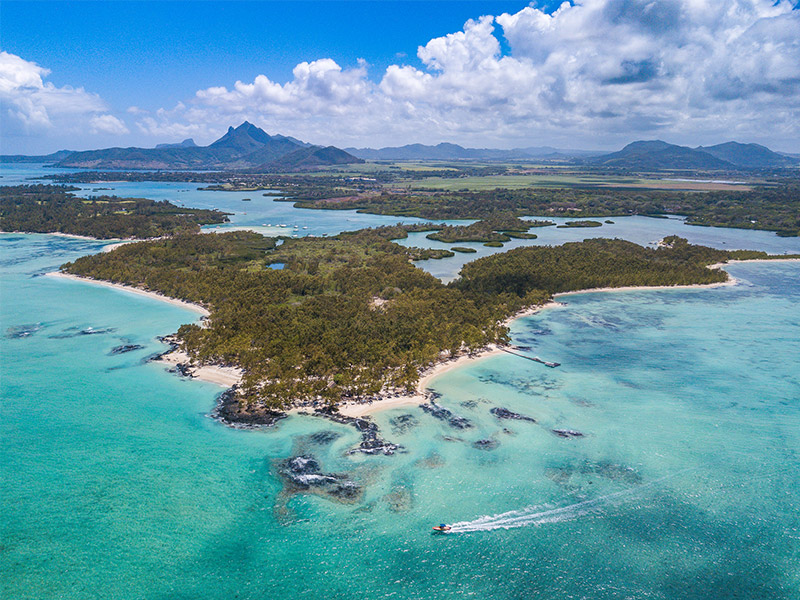
The east coast is where Mauritius earns its reputation for postcard perfection. There are some beautiful beaches here including Belle Mare, Palmar and Ile aux Cerfs. Long, white, and largely uncrowded, with a lagoon colour that shifts between jade and aquamarine depending on the time of day.
There is a good selection of different resorts on the east coast, many are genuinely world-class, with the space and service to match. Outside the resorts it’s quieter, less frenetic than the north, and built around the idea that you've travelled a long way and you deserve to stop.
Île aux Cerfs is the east coast's signature excursion. A small island just offshore, accessible by water taxi in minutes, with a white sand beach that wraps around a turquoise bay. The Île aux Cerfs Golf Course sits on the island itself — one of the most dramatic golf settings in the Indian Ocean, with fairways cut through tropical forest and water hazards that look painted on. Serious golfers will also find Anahita Golf Course, The Legend, and The Links within easy reach — four championship courses within a short drive of each other.
The east wakes up beautifully. Sunrise here is worth setting an alarm for.
Standout experience: Sunrise on the beach at Belle Mare, followed by a morning round at Île aux Cerfs Golf Course. It's the kind of day that makes you rethink your priorities.
Best for: Sunset lovers, water sports enthusiasts, couples, active travellers, golfers.
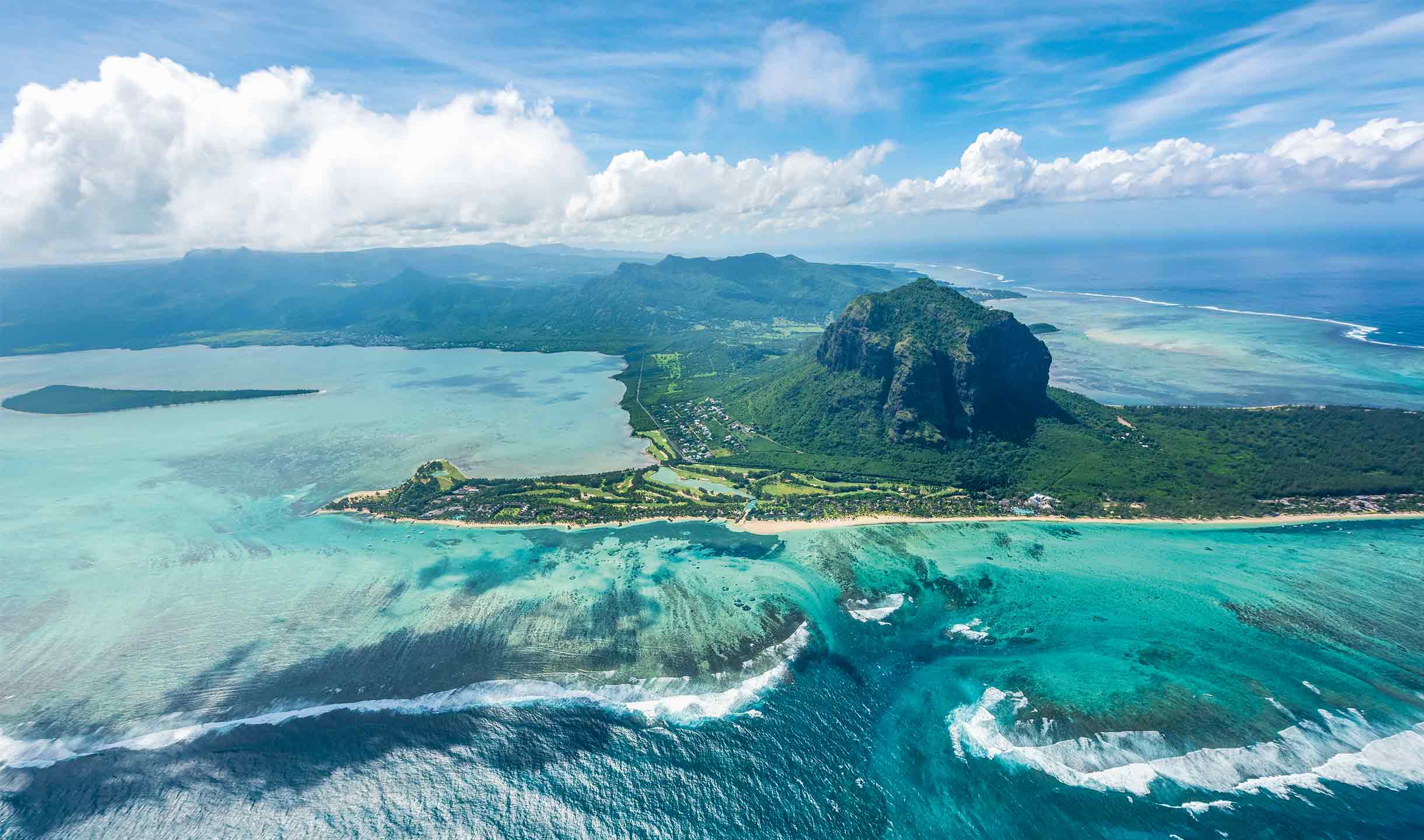
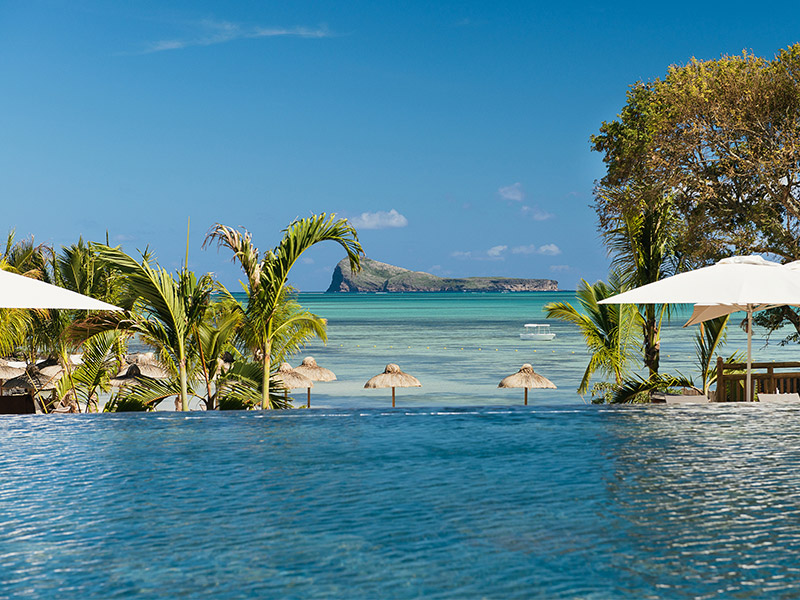
The west coast of Mauritius is the island's most dramatic stretch. The landscape shifts here, the flat cane fields give way to the dark basalt peaks of Le Morne Brabant, a UNESCO World Heritage mountain that rises straight from the sea and casts a shadow across the lagoon below. The sunsets in the west are spectacular. Locals and guests stop what they're doing to watch.
Flic en Flac town is smaller and more relaxed than Grand Baie, with a superb long beach, a good selection of restaurants, and some excellent diving directly offshore. The wreck of the Rempart, visible even from the beach on a calm day, sits at a depth accessible to most recreational divers. It's regularly cited as one of the best shore dives in Mauritius.
Le Morne, at the southwestern tip, is a world unto itself. The beach is exceptional, a narrow finger of white sand pinched between the lagoon and the forest, with views back across the water to the mountain. The conditions at the tip of Le Morne are famous in the kitesurfing world. Between July and September, the southeasterly trades blow consistently and the flat water inside the lagoon makes it one of the best kitesurfing destinations anywhere in the Indian Ocean.
The west is also home to excellent golf. Paradis Golf Course and Tamarina Golf Course both sit within mountain and ocean scenery that makes a difficult round feel entirely justified.
Dolphin and whale watching excursions run from the west coast year-round. Spinner dolphins are a near-daily presence in the bay at Tamarin, and humpback whale sightings are common between June and October.
The Tamarin Falls hike takes you through some of the most rewarding scenery on the island. Seven waterfalls, black rock pools, and views back across the west coast that few visitors see.
Standout experience: Watching the sun drop into the Indian Ocean from Le Morne beach with a rum sour in hand. The mountain turns rust-orange as the light goes. It doesn't get much better than that.
Best for: Independent travellers, nature lovers, those seeking authentic Mauritius away from the resort corridor.
The south is the part of Mauritius that most visitors never reach. Where the north and east offer polished resort beaches and curated luxury, the south offers something harder to package: raw scenery, empty coastline, colonial history, and the unmistakable feeling that you've found the real island. The coastline here is dramatic rather than decorative. At Gris Gris you’ll find black basalt cliffs dropping into the sea where the reef is closer to shore. Beautiful smaller beaches and world class golf courses can be found at Bel Ombre
The south also has Black River Gorges National Park, over 6,500 hectares of native forest, rare endemic birds, and hiking trails that range from gentle to genuinely challenging. It's the closest thing to wilderness that Mauritius offers, and it's extraordinary.
Rochester Falls tumbles over geometric basalt columns formed by ancient volcanic activity. Chamarel Falls drops 100 metres through the forest in two cascades, and the Seven Coloured Earths at Chamarel are some of Mauritius's most photographed natural curiosities, and completely unlike anything else on the island.
The south is also where Mauritius keeps its colonial memory. Saint Aubin estate still functions as a working plantation, and you can tour the rum distillery, taste the produce, and eat a Creole lunch under the trees. The Bois Cheri Tea Factory, up in the tea-growing hills, tells the story of Mauritius's plantation economy with more honesty than most tourist attractions attempt.
Standout experience: Hiking into Black River Gorges National Park at dawn. The forest is quiet, the light comes through the canopy in thin shafts, and if you're lucky, you'll see the Mauritius kestrel, one of the rarest birds in the world, brought back from the brink of extinction on this island. That's worth getting up early for.


