
Nestled in the lush northern village of Mapou, Domaine de Labourdonnais is far more than a historic estate. It is a living chapter of Mauritian history, where colonial heritage, agriculture, architecture, gastronomy and contemporary leisure blend together beneath centuries-old trees and tropical skies. For visitors seeking an authentic experience beyond the beaches of Mauritius, the domaine offers an unforgettable journey into the island’s cultural soul.
Today, the beautifully restored château, sprawling orchards, gardens, restaurants and artisanal experiences make Domaine de Labourdonnais one of Mauritius’ most fascinating destinations. Yet behind its elegant façade lies a story that stretches back more than 250 years.
The history of Domaine de Labourdonnais begins in 1774 during the French colonial period in Mauritius, then known as Isle de France. The land was originally granted to two sisters, Marie Louise and Henriette Tréouart de Longpré, under the colonial administration. At the time, Mauritius was developing rapidly as an agricultural colony, with fertile land becoming increasingly valuable.
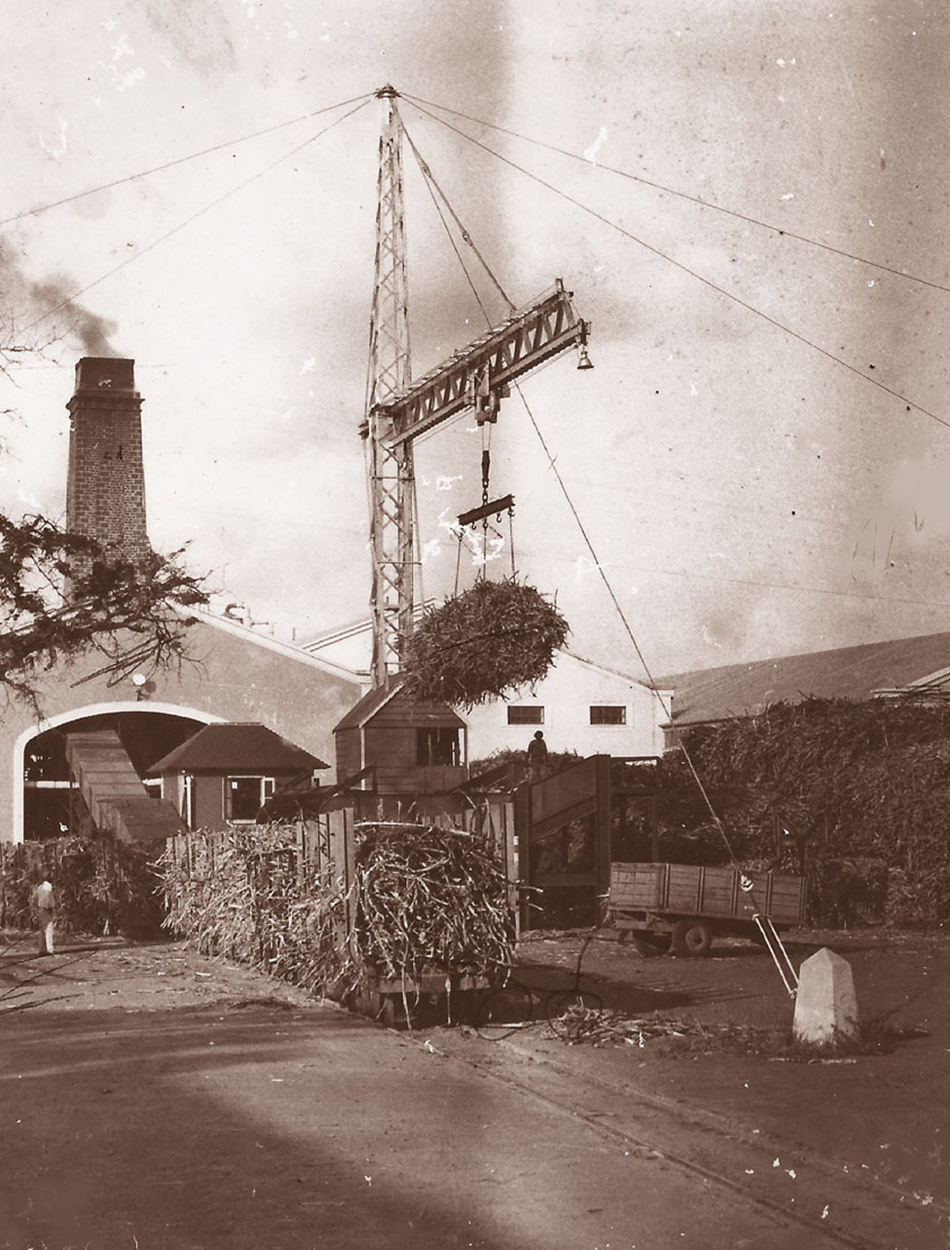
The estate eventually came into the hands of Jean Baptiste Germain, who recognised the agricultural potential of the region. In 1814, he established the estate’s first sugar mill, helping transform the property into an important sugar-producing estate. Sugarcane was rapidly becoming the economic backbone of Mauritius, and estates such as Labourdonnais played a central role in shaping the island’s economy and society.
However, it was during the 19th century that the domaine truly flourished. In 1821, Jacques de Chasteigner Du Mée expanded the property dramatically, increasing it from approximately 186 acres to around 1,400 acres. The estate became a significant agricultural operation, deeply connected to the growth of the Mauritian sugar industry.
The most iconic chapter in the domaine’s story began in 1839 when Christian Wiehe married Emilie Bourgault du Coudray, heiress to the Labourdonnais estate. Christian Wiehe was a successful and influential figure within Mauritian society, and as the estate prospered, he sought to create a residence that reflected both his family’s status and the grandeur of the era.
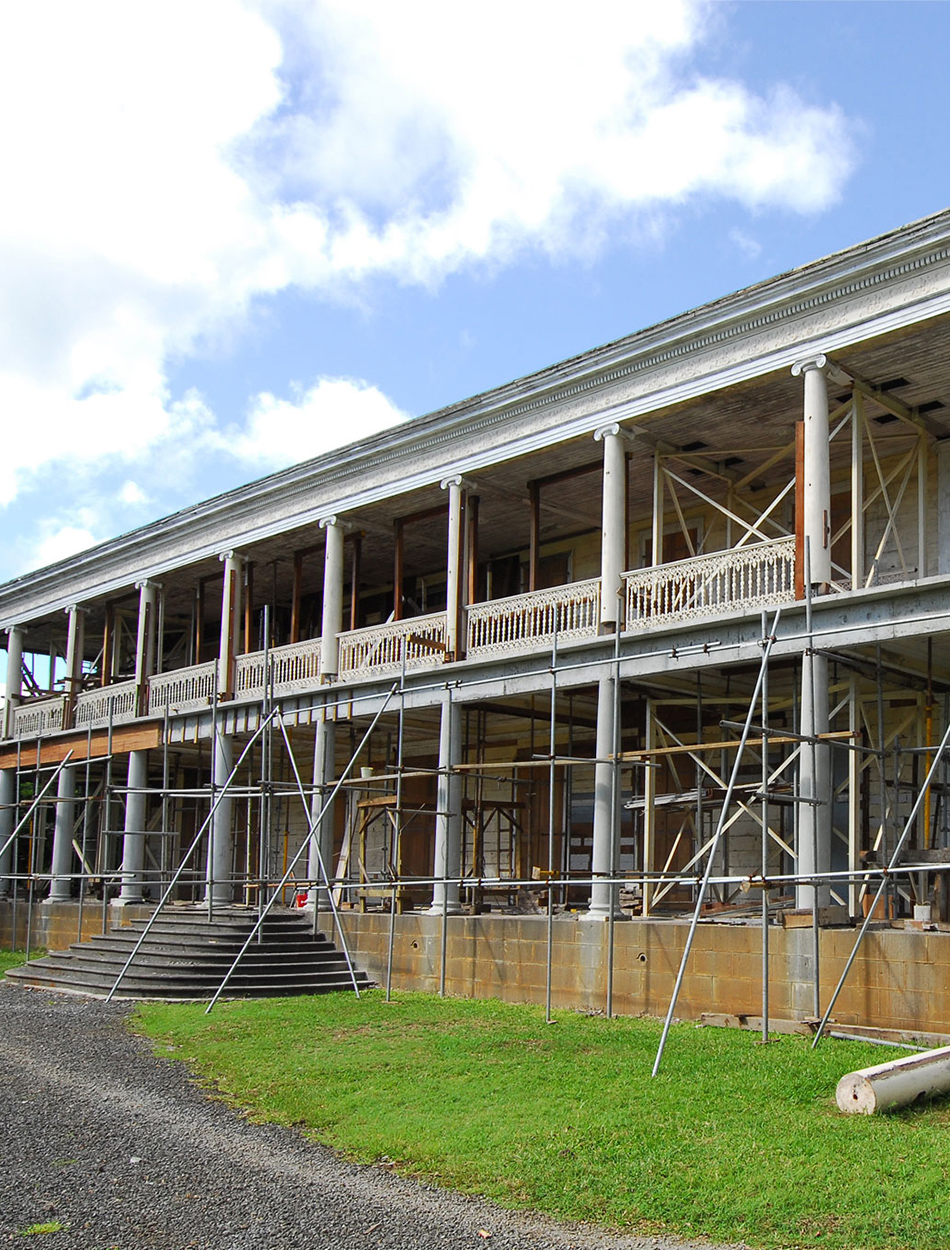
Between 1856 and 1859, Christian Wiehe built the magnificent Château de Labourdonnais, the centrepiece of the estate that still captivates visitors today. Constructed primarily from teak wood, the château was designed in a refined neoclassical style with Victorian influences. Surrounded by wide verandas, elegant columns and tropical gardens, the residence represented the sophistication of Mauritius’ wealthy sugar estate owners during the 19th century.
The château was not merely built as a home. It symbolised prosperity, ambition and permanence. During this period, sugar estates were at the height of their influence across Mauritius, and grand residences such as Labourdonnais became symbols of economic success and social standing.
For generations, the Wiehe family lived within the château’s walls. Over time, the estate evolved into more than a sugar plantation. Orchards were planted across the property, including mango trees, some of which still stand today. The domaine became a centre of agricultural innovation and refinement.
One of the most influential descendants of the family was Dr. Octave Wiehe, a renowned botanist and scientist who made important contributions to Mauritius’ sugar industry and education system. His work at the Mauritius Sugar Industry Research Institute and later at the University of Mauritius reflected the estate’s ongoing connection to progress, innovation and agriculture.

Like Mauritius itself, Domaine de Labourdonnais evolved continuously over the centuries.
While sugar production remained central to the estate for many decades, the domaine gradually diversified. Changing economic realities, technological developments and the decline of traditional plantation systems pushed many historic estates in Mauritius to reinvent themselves.
Labourdonnais adapted remarkably well. The estate became known not only for sugarcane cultivation but also for its orchards and agricultural experimentation. Tropical fruits flourished on the property, contributing to the domaine’s identity as a place of abundance and natural beauty.
The château itself remained a private family residence for approximately 150 years. During that time, generations of the Wiehe family preserved its atmosphere and heritage, although the natural effects of time slowly began to show. Mauritius’ tropical climate, humidity and changing conditions inevitably impacted the building.
By the early 2000s, despite its grandeur, the château required major restoration to preserve its architectural and historical importance.
One of the most important chapters in the modern history of Domaine de Labourdonnais began in 2006. Recognising the cultural significance of the château, architect Jacques Wiehe, a descendant of the family, launched an ambitious restoration project that would transform the estate into one of Mauritius’ finest heritage attractions.
The restoration, which lasted from 2006 to 2010, was carried out with extraordinary attention to detail. Rather than modernising the château beyond recognition, the goal was to preserve its historical authenticity while carefully reviving its former elegance. Traditional construction techniques were used throughout the project, and local artisans played a major role in restoring the estate. Original wooden flooring, decorative mouldings, antique furnishings and period architectural details were meticulously preserved or recreated.
One particularly fascinating discovery during the restoration was the château’s original lilac-mauve shutters. Layers of paint applied over generations were carefully removed to reveal the historic colour beneath, allowing the building to regain part of its authentic identity. The restoration also transformed the château from a private residence into a museum and cultural destination open to the public. Under the guidance of museum specialists and scenographers, the interiors were designed to immerse visitors in the atmosphere of 19th-century Mauritian estate life.
When the project was completed in 2010, the château emerged not simply as a restored building, but as a beautifully revived piece of Mauritian heritage. Today, the Château de Labourdonnais stands as one of the island’s most important cultural landmarks, offering visitors a rare glimpse into the history, architecture and lifestyle of colonial Mauritius.
Modern-day Domaine de Labourdonnais is far more than a historic house museum. It has evolved into a vibrant lifestyle destination that combines heritage, leisure, gastronomy and nature.
The beautifully restored château remains the highlight of the estate. Visitors can walk through elegantly furnished rooms, admire period décor and learn about the fascinating history of the Wiehe family and Mauritius’ sugar estate era. The architecture itself is breathtaking, with teak interiors, grand staircases and elegant verandas overlooking the gardens. For history lovers, the château offers a rare and intimate window into Mauritius’ colonial past.
The estate’s lush orchards and tropical gardens are among its greatest treasures. Visitors can stroll beneath ancient mango trees, admire exotic fruit plantations and enjoy the serenity of the landscape. The gardens showcase the agricultural richness that has defined the domaine for centuries. The peaceful environment makes the domaine ideal for photography, leisurely walks and reconnecting with nature.
Domaine de Labourdonnais has become an important culinary destination in Mauritius. Guests can enjoy refined Mauritian cuisine prepared with local ingredients and tropical flavours. Many dishes celebrate the estate’s own produce, creating a genuine farm-to-table experience. Whether enjoying a relaxed lunch in the gardens or a more elegant dining experience, visitors can savour the diverse culinary influences that make Mauritian food so distinctive.
The domaine is also known for its artisanal products and rum experiences. Using sugarcane grown on the surrounding estate, the distillery produces high-quality Mauritian rum that reflects the island’s agricultural heritage. Visitors can participate in tastings and learn about the rum-making process. The estate’s boutiques also offer locally produced jams.


