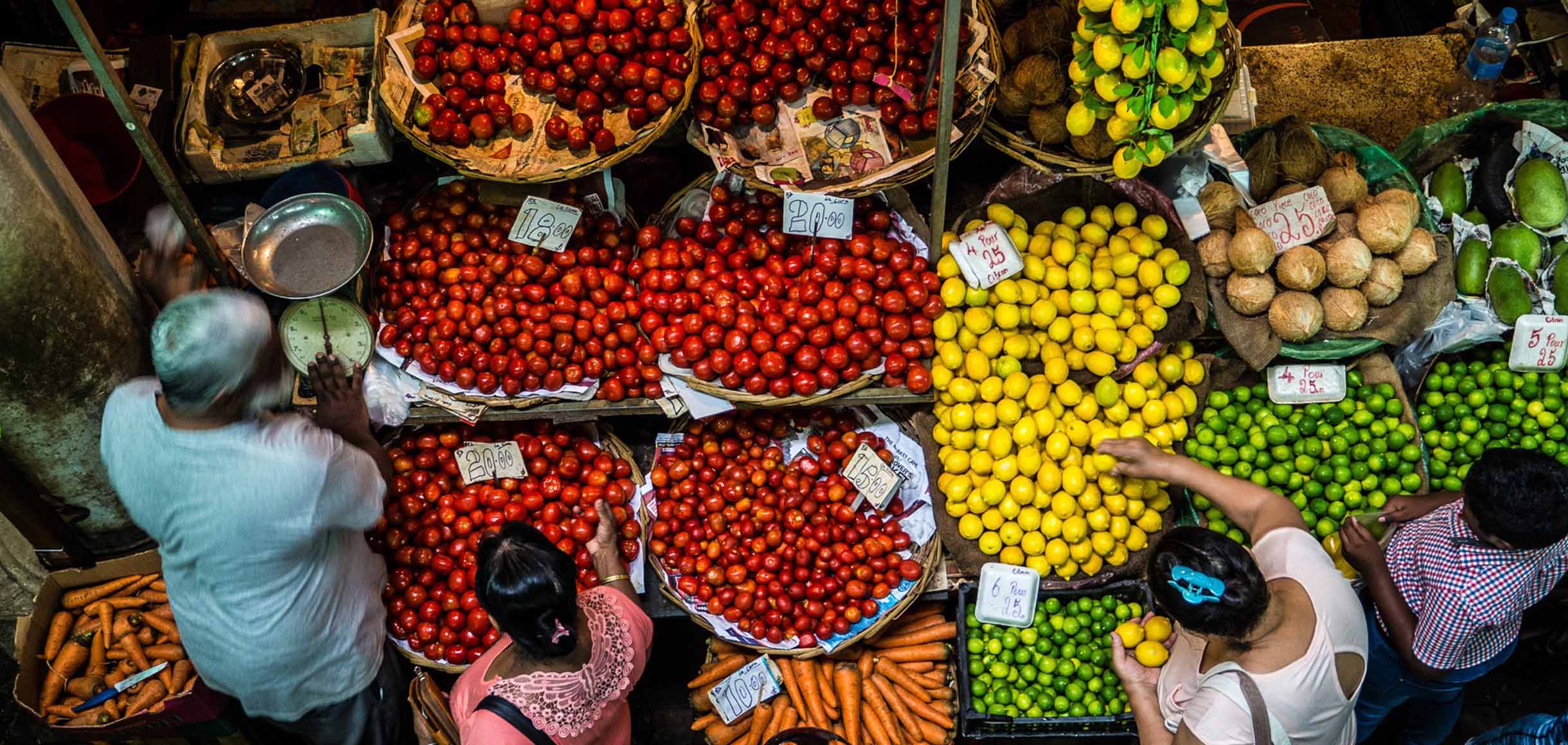
If you want to understand Mauritius, really understand it, skip the resort gift shop and head straight to the Central Market in Port Louis. Known locally as the Bazaar, this magnificent, chaotic, gloriously sensory marketplace is where the true soul of the island has been on full, unfiltered display for nearly two centuries. It is loud, colourful, fragrant, occasionally bewildering, and absolutely unmissable.
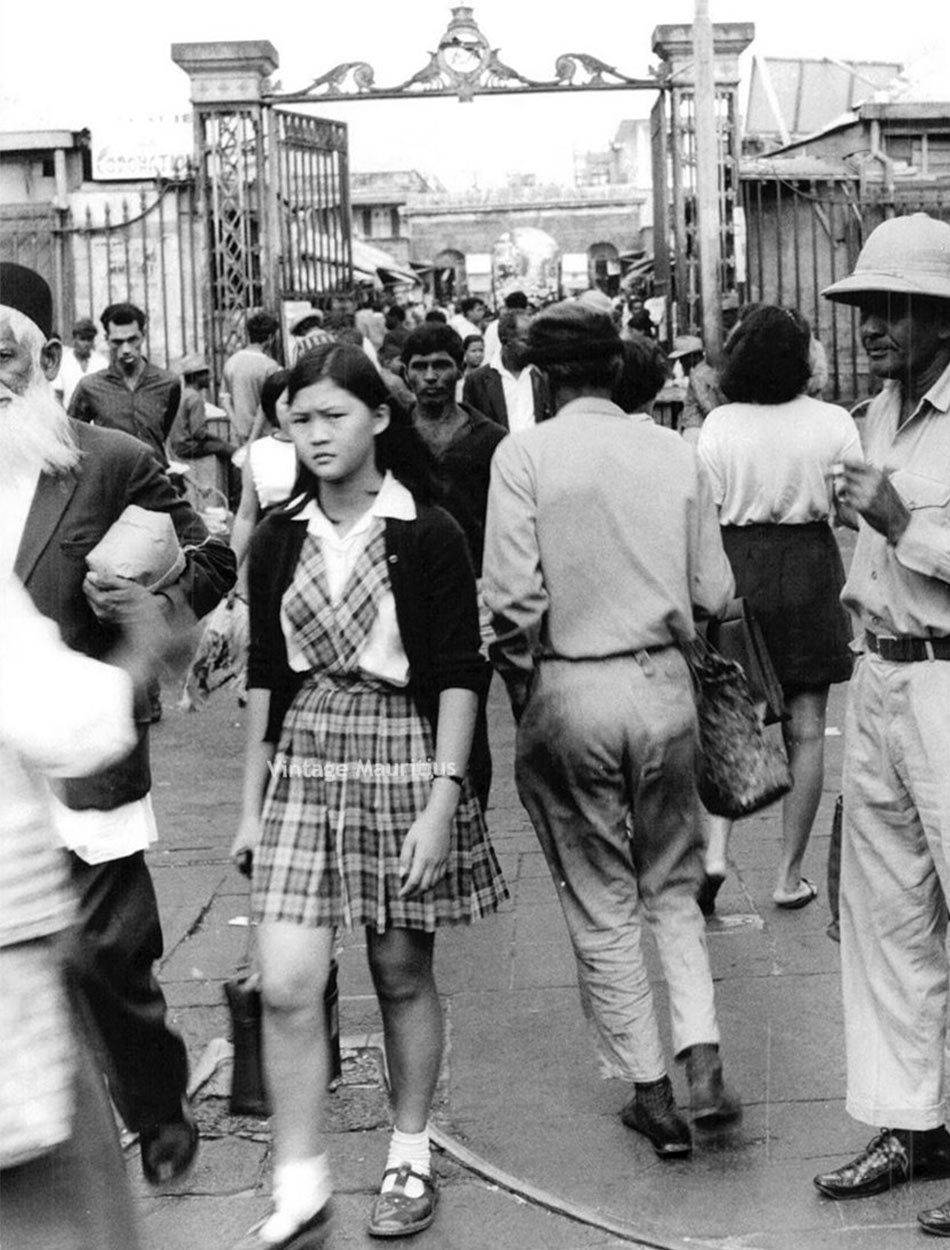
The Central Market first came into being in 1828 and was later moved in 1833 to its permanent home on Corderie Street, where it stands to this day. The building that dominates the site has been standing since 1839, its Victorian bones still visible beneath centuries of trade and transformation. The original ironwork gates are dedicated to Queen Victoria, a tangible reminder of the era in which the market truly took shape.
Over the years, the market has survived several renovations and restorations, particularly after a fire in 1996 damaged parts of it. A further renovation in 2004 modernised certain sections, though the market's essential character has never been tamed. Today it is known variously as the Bazaar Port Louis or the Victoria Market and remains one of the island's oldest and most vibrant commercial hubs.
The Central Market remains a symbol of Mauritius' rich multicultural heritage, showcasing influences from African, Indian, Chinese, and European cultures. Step inside and you step into that diversity immediately. Hawkers representing all of the island's ethnic groups, Muslim traders, Indian touts, Chinese vendors and Creoles, shout to flog their wares, their competing voices forming a soundtrack that is uniquely Mauritian.
During the colonial era, indentured labourers, farmers and traders from different parts of the island formed the majority of the crowd, and the market has carried that spirit of diverse gathering ever since. It is not merely a place to buy things, it is a living, breathing cross-section of the island's people, its history, and its daily rhythms. To browse the stalls is to see Mauritius not through the lens of a brochure, but as it genuinely is.
Fruits, Vegetables and the Spice of Life
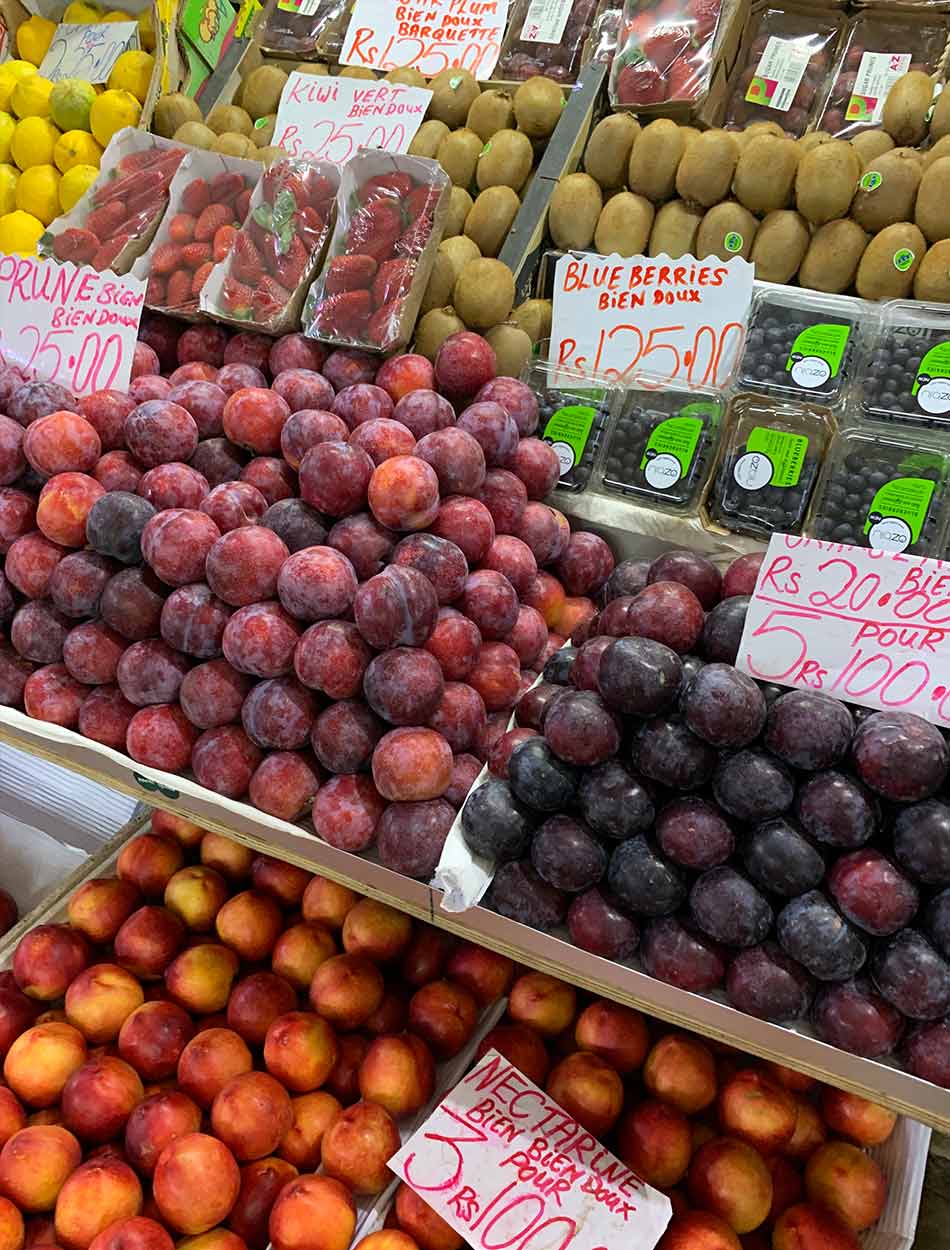
The covered produce section is the pulsating heart of the market, and the first thing that will hit you is the colour. A rainbow array of exotic fruits and vegetables, mangoes, papayas, pineapples, coconuts, star fruits, chillies, and coriander, are all neatly presented to command your attention. Seasonal highlights are particularly special: lychees piled high in summer, golden mangoes dripping with sweetness, and an extraordinary range of fresh herbs that form the backbone of Mauritian cooking.
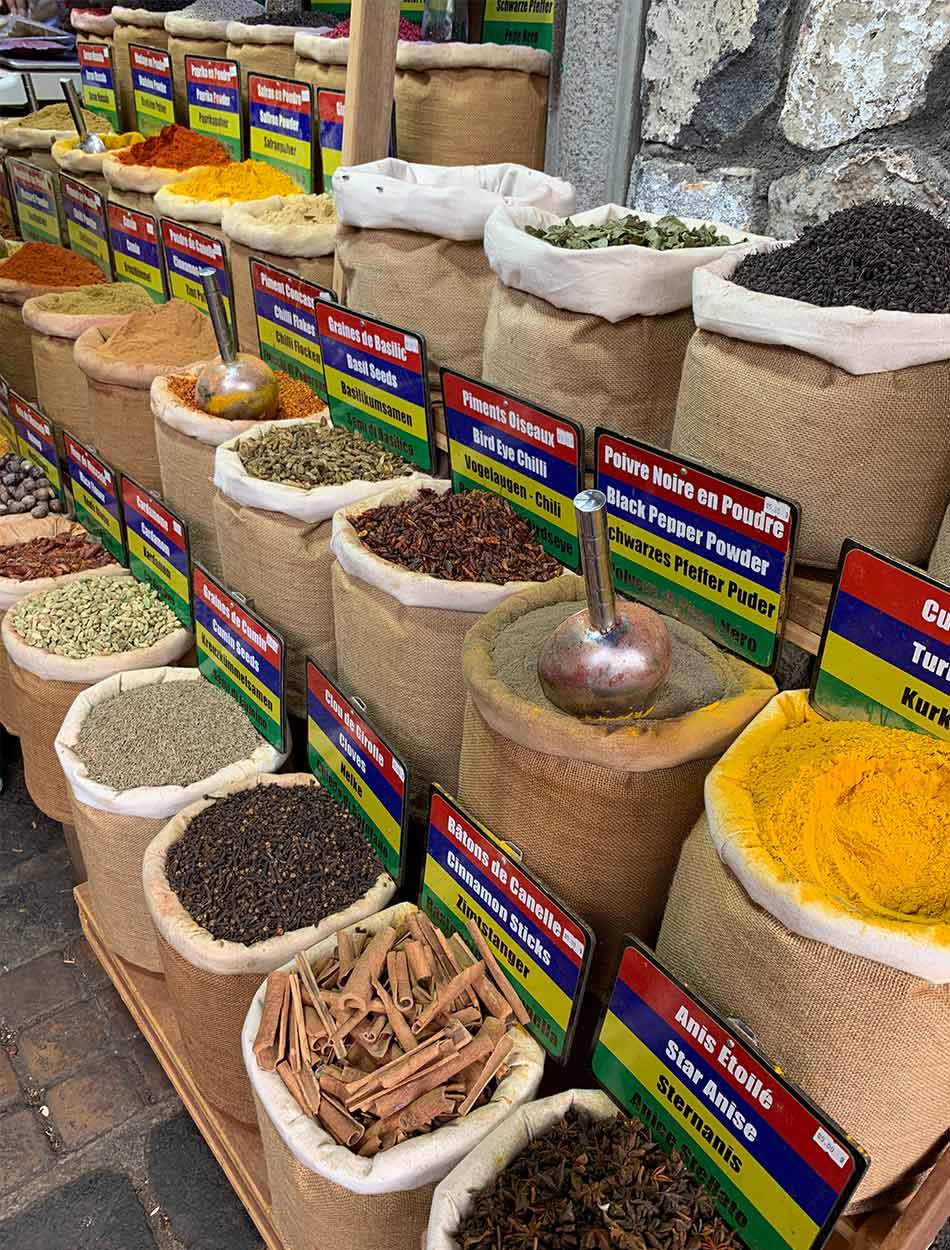
Alongside the fresh produce, an aromatic area sells local vanilla pods, saffron, chilli paste and a vast array of curry powders and blends. These make exceptional gifts to bring home, and far more authentic than anything you will find shrink-wrapped at the airport. A word of advice: compare prices across a few stalls before committing, as they can vary considerably.
Separate, traditional sections of the market are dedicated to fresh meat, poultry, and seafood, and these are where you will find locals going about the very serious business of feeding their families. The fish section in particular is worth a wander, even if you are not buying, the variety on display is a testament to the richness of the surrounding Indian Ocean. The meat section is located across the road from the main market building, keeping a respectful distance from the fruit and spice stalls.
Head into the outer sections and the market shifts gear entirely, becoming a cheerfully tourist-oriented labyrinth of stalls selling everything you could possibly want to take home. Dodo souvenirs are everywhere; the national bird appears on T-shirts, magnets and wood carvings in every conceivable form. You will also find handcrafted models of historic ships, which are a testament to the island's maritime history, along with artisan-crafted woven baskets and hats made using local materials like sugar cane and coconut leaves. Bargaining is not just accepted here, it’s expected. Never pay the first price quoted and never buy from the first stall you visit. Walk the full length of the market first, get a feel for the going rate, then return to negotiate. Vendors are good-humoured about the process, and a friendly haggle is very much part of the experience.
The food alone is reason enough. The market is arguably the best place in Port Louis to sample authentic, affordable Mauritian street food. Dhal puri is the place to start; a thin, yellow split-pea pancake typically filled with curry and chutney, it is the quintessential Mauritian snack and costs next to nothing. Follow it with gateaux piments (deep-fried lentil balls with a fiery kick), a samoussa, or a plate of freshly cooked river shrimps.
For something truly adventurous, wash it all down with a traditional alouda, a jelly-like sweetened milk drink. The drink is technically made from basil seeds and agar-agar jelly, served ice-cold and sweet, and is wildly refreshing in the Port Louis heat once you have made your peace with the texture.
The market stalls themselves are allocated to vendors through a lottery system run by the Municipal Council, making it an honour to own a stall in the oldest market on the island. So the next time a vendor seems particularly proud of their spot, there is a very good reason for it.
At The Mauritius Club we advise arriving in the morning shortly after the Port Louis rush hour traffic has subsided. It’s here you’ll catch the market at its most energetic and to beat the midday heat. Wear comfortable shoes, keep your belongings close, and bring cash in smaller denominations for ease of bargaining.
The Central Market is open Monday to Saturday. Sundays are quieter, and some stalls do not operate, so a weekday visit is always preferable for the full, gloriously overwhelming experience.
The beaches of Mauritius are extraordinary. The hotels are world-class. But the Central Market is where the island shows you who it really is, and that, is priceless.


